Product updates, engineering insights, and company newsPembaruan produk, wawasan engineering, dan berita perusahaan
AI & TechAI & Teknologi
FeaturedUnggulan6 min read6 mnt baca
The AI Agent Production Gap: Why Most Pilots Never Ship - and What the Winners DoJurang Produksi Agen AI: Kenapa Kebanyakan Pilot Tak Pernah Rilis - dan Apa yang Dilakukan yang Berhasil
Nearly four in five enterprises have tried AI agents, but only a fraction run them in production. The gap is not the model - it's governance, integration, and measurement.Hampir empat dari lima perusahaan sudah mencoba agen AI, tapi hanya sebagian kecil yang menjalankannya di produksi. Jurangnya bukan pada model - tapi tata kelola, integrasi, dan pengukuran.
H
Hadi
Founder & Principal EngineerPendiri & Principal Engineer
Latest StoriesCerita Terbaru
Insights and updates from the workbench - filter by what you care about.Wawasan dan pembaruan dari meja kerja - saring sesuai minat Anda.
AI & TechAI & Teknologi
5 min read5 mnt baca
LLMflation: Inference Got ~10x Cheaper Every Year - Design For ItLLMflation: Inferensi Jadi ~10x Lebih Murah Tiap Tahun - Rancang Untuk Itu
GPT-4-class quality that cost ~$20 per million tokens in 2022 now runs for cents. Cheap inference changes what's worth building - and what's worth caching.Kualitas kelas GPT-4 yang dulu ~$20 per juta token di 2022 kini tinggal sen. Inferensi murah mengubah apa yang layak dibangun - dan apa yang layak di-cache.
H
Hadi
Founder & Principal EngineerPendiri & Principal Engineer
IoT & EdgeIoT & Edge
6 min read6 mnt baca
On-Device AI: When a 7B Model at the Edge Beats a Giant in the CloudAI On-Device: Saat Model 7B di Edge Mengalahkan Raksasa di Cloud
Small, task-specific models now run on phones, gateways, and NPUs - cutting cost, latency, and data exposure. For many real jobs, smaller is simply the right tool.Model kecil khusus tugas kini berjalan di ponsel, gateway, dan NPU - memangkas biaya, latensi, dan paparan data. Untuk banyak pekerjaan nyata, lebih kecil justru alat yang tepat.
H
Hadi
Founder & Principal EngineerPendiri & Principal Engineer
InsightsWawasan
6 min read6 mnt baca
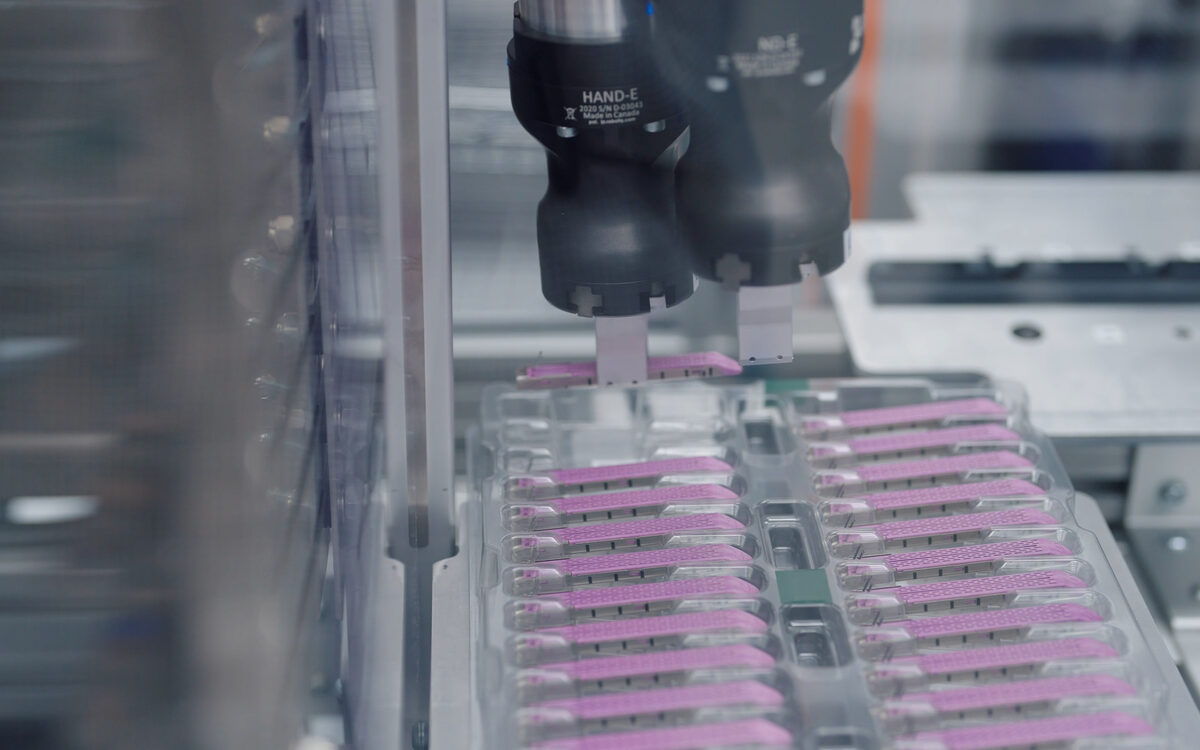
Vision-Language Models on the Line: Explainable Inspection Without Wrecking Cycle TimeVision-Language Model di Lini Produksi: Inspeksi yang Bisa Dijelaskan Tanpa Merusak Waktu Siklus
VLMs can describe why a part failed, not just flag it - but they're heavier than CNNs. The winning pattern uses each for what it's good at.VLM bisa menjelaskan mengapa sebuah komponen gagal, bukan sekadar menandainya - tapi lebih berat dari CNN. Pola yang menang memakai keduanya sesuai kekuatannya.
H
Hadi
Founder & Principal EngineerPendiri & Principal Engineer
Software DevSoftware Dev
6 min read6 mnt baca
The AI Coding Paradox: Developers Feel Faster, Teams Can Ship SlowerParadoks Coding AI: Developer Merasa Lebih Cepat, Tim Bisa Rilis Lebih Lambat
AI assistants genuinely speed up writing code - but bigger PRs and more bugs can clog review and QA. The gain is real only if you fix the downstream bottleneck.Asisten AI benar-benar mempercepat penulisan kode - tapi PR lebih besar dan bug lebih banyak bisa menyumbat review dan QA. Keuntungannya nyata hanya jika Anda membenahi hambatan di hilir.
H
Hadi
Founder & Principal EngineerPendiri & Principal Engineer
AI & TechAI & Teknologi
6 min read6 mnt baca
RAG in Practice: Grounding LLMs on Your Data Instead of Its MemoryRAG dalam Praktik: Menautkan LLM ke Data Anda, Bukan Ingatannya
Retrieval-Augmented Generation feeds a model the right documents at query time so answers cite your facts, not its training guesses. Where it helps - and where it quietly fails.Retrieval-Augmented Generation memberi model dokumen yang tepat saat kueri sehingga jawaban mengutip fakta Anda, bukan tebakan pelatihannya. Di mana ia membantu - dan di mana ia diam-diam gagal.
H
Hadi
Founder & Principal EngineerPendiri & Principal Engineer
Software DevSoftware Dev
6 min read6 mnt baca
Platform Engineering: Why 'Golden Paths' Beat Handing Developers More ToolsPlatform Engineering: Mengapa 'Golden Path' Lebih Baik dari Menambah Alat
Gartner expects most large engineering orgs to run platform teams by 2026. The idea is less glamorous than it sounds - and more about cutting cognitive load than adding tech.Gartner memperkirakan mayoritas organisasi engineering besar punya tim platform pada 2026. Idenya tak semewah kedengarannya - lebih soal menekan beban kognitif ketimbang menambah teknologi.
H
Hadi
Founder & Principal EngineerPendiri & Principal Engineer
HardwareHardware
6 min read6 mnt baca
Additive Manufacturing Grows Up: When 3D Printing Actually Beats a Machine ShopAdditive Manufacturing Makin Matang: Kapan 3D Printing Mengungguli Machine Shop
End-use parts, not prototypes, now drive the biggest 3D-printing budgets. The economics favor complexity and low volume - and punish the opposite.Bukan prototipe, tapi komponen pakai-akhir yang kini menyerap anggaran 3D printing terbesar. Ekonominya berpihak pada kompleksitas dan volume rendah - dan menghukum sebaliknya.
H
Hadi
Founder & Principal EngineerPendiri & Principal Engineer
InsightsWawasan
6 min read6 mnt baca
The EU AI Act in 2026: What Actually Takes Effect, and What Slipped to 2027EU AI Act di 2026: Apa yang Benar-benar Berlaku, dan Apa yang Mundur ke 2027
August 2026 brings transparency duties; the heaviest high-risk rules were deferred to December 2027. A practical read for teams shipping AI into or from the EU.Agustus 2026 membawa kewajiban transparansi; aturan risiko-tinggi terberat mundur ke Desember 2027. Panduan praktis bagi tim yang mengirim AI ke atau dari UE.
H
Hadi
Founder & Principal EngineerPendiri & Principal Engineer
IoT & EdgeIoT & Edge
6 min read6 mnt baca
RFID for Inventory: The Jump from 65% to 98% Accuracy, and Its Fine PrintRFID untuk Inventaris: Lompatan Akurasi 65% ke 98%, dan Syarat Kecilnya
Item-level UHF tagging is why apparel retailers can count stock in minutes. The accuracy gains are real - if you respect what RFID can and cannot see.Penandaan UHF level-item adalah alasan peritel apparel bisa menghitung stok dalam hitungan menit. Peningkatan akurasinya nyata - asal Anda menghormati apa yang bisa dan tak bisa 'dilihat' RFID.
H
Hadi
Founder & Principal EngineerPendiri & Principal Engineer
IoT & EdgeIoT & Edge
6 min read6 mnt baca
Predictive Maintenance with IoT Sensors: Read the ROI Before You Wire UpPredictive Maintenance dengan Sensor IoT: Baca ROI-nya Sebelum Memasang
Vibration, temperature, and current sensors can warn of failure days ahead - but the returns depend on picking the right asset and validating predictions. A grounded look at the numbers.Sensor getaran, suhu, dan arus bisa memperingatkan kegagalan beberapa hari lebih awal - tapi hasilnya bergantung pada memilih aset yang tepat dan memvalidasi prediksi. Tinjauan membumi tentang angkanya.
H
Hadi
Founder & Principal EngineerPendiri & Principal Engineer
AI & TechAI & Teknologi
6 min read6 mnt baca
Small Language Models: When 90% of the Capability at 10% of the Cost Is the Right TradeSmall Language Model: Saat 90% Kemampuan dengan 10% Biaya Adalah Pilihan yang Tepat
For classification, extraction, and most agent steps, a 3-9B model on your own hardware is often the pragmatic choice. A look at the numbers behind the shift.Untuk klasifikasi, ekstraksi, dan sebagian besar langkah agen, model 3-9B di perangkat sendiri sering jadi pilihan pragmatis. Menengok angka di balik pergeseran ini.
H
Hadi
Founder & Principal EngineerPendiri & Principal Engineer
InsightsWawasan
6 min read6 mnt baca
Computer Vision for Workplace Safety: What the Compliance Numbers ShowComputer Vision untuk Keselamatan Kerja: Apa Kata Angka Kepatuhannya
PPE and hazard detection has moved from research to the plant floor. The reported accuracy and incident-reduction figures explain why - and where to start.Deteksi APD dan bahaya sudah pindah dari riset ke lantai pabrik. Angka akurasi dan penurunan insiden menjelaskan alasannya - dan dari mana memulai.
H
Hadi
Founder & Principal EngineerPendiri & Principal Engineer
Software DevSoftware Dev
7 min read7 mnt baca
Digital Twins in Manufacturing: A Practical Read on the 2026 NumbersDigital Twin di Manufaktur: Membaca Angka 2026 secara Praktis
A digital twin is a live software model of a real asset. The reported downtime and ROI figures are strong - but so is the data discipline they demand.Digital twin adalah model perangkat lunak langsung dari aset nyata. Angka downtime dan ROI-nya kuat - begitu pula disiplin data yang dituntutnya.
H
Hadi
Founder & Principal EngineerPendiri & Principal Engineer
HardwareHardware
6 min read6 mnt baca
Cobots for Smaller Factories: Why the Payback Math Now WorksCobot untuk Pabrik Kecil: Mengapa Hitungan Paybacknya Kini Masuk Akal
Collaborative robots are increasingly an SME tool, not just a big-plant one. The reported payback periods explain the shift toward smaller deployments.Robot kolaboratif makin menjadi alat UKM, bukan hanya pabrik besar. Periode payback yang dilaporkan menjelaskan pergeseran ke penerapan skala kecil.
H
Hadi
Founder & Principal EngineerPendiri & Principal Engineer
Software DevSoftware Dev
7 min read7 mnt baca
Agentic Coding, Measured: Adoption Is High, Returns Are UnevenAgentic Coding, Diukur: Adopsi Tinggi, Hasil Tak Merata
Most teams now use AI coding tools daily, but the productivity data is more nuanced than the headlines. What separates teams that see real ROI.Kebanyakan tim kini memakai alat coding AI harian, tapi data produktivitasnya lebih bernuansa dari judul berita. Apa yang membedakan tim yang meraih ROI nyata.
H
Hadi
Founder & Principal EngineerPendiri & Principal Engineer
Game DevGame Dev
6 min read6 mnt baca
AI in Game Development: Smaller Teams, Higher ExpectationsAI dalam Pengembangan Game: Tim Lebih Kecil, Ekspektasi Lebih Tinggi
Asset generation and procedural tools let tiny studios build bigger - but player expectations rise in step. A grounded look at where AI actually helps.Generasi aset dan alat prosedural memungkinkan studio kecil membangun lebih besar - tapi ekspektasi pemain ikut naik. Tinjauan membumi tentang di mana AI benar-benar membantu.
H
Hadi
Founder & Principal EngineerPendiri & Principal Engineer
AI & TechAI & Teknologi
6 min read6 mnt baca
The AI Agent Production Gap: Why Most Pilots Never Ship - and What the Winners DoJurang Produksi Agen AI: Kenapa Kebanyakan Pilot Tak Pernah Rilis - dan Apa yang Dilakukan yang Berhasil
Adoption headlines are loud, but production numbers are quiet. Across 2026 surveys, most enterprises have piloted AI agents, yet only a minority run even one in production - and analysts describe the result as the largest deployment backlog in enterprise software. Gartner projects that over 40% of agentic AI projects will be cancelled by the end of 2027, mostly over unclear value, escalating cost, and weak controls rather than model quality.
The gap is rarely the model. Pilots die in the plumbing: brittle integrations with real systems, no owner for failures, and no honest before/after metric. Agents that do reach production report strong returns and a median time-to-value of roughly five months - which tells you the technology works when the surrounding process does.
What separates the winners: they scope the agent to one measurable workflow (not "do everything"), keep a human approval gate on consequential actions, and instrument the whole loop - success rate, cost per task, and time saved - from day one. Narrow and observable beats broad and impressive.
How to start: pick a task with a clear correct answer and a clear cost of being wrong. Ship a thin version behind a review step, measure it against the manual baseline for a few weeks, and only widen scope once the numbers hold. Treat governance and logging as features, not afterthoughts.
Judul soal adopsi terdengar riuh, tapi angka produksi justru sepi. Di berbagai survei 2026, kebanyakan perusahaan sudah menguji agen AI, namun hanya sedikit yang menjalankan satu pun di produksi - dan analis menyebutnya sebagai tumpukan deployment terbesar dalam sejarah software enterprise. Gartner memperkirakan lebih dari 40% proyek agentic AI akan dibatalkan hingga akhir 2027, kebanyakan karena nilai yang tak jelas, biaya membengkak, dan kontrol lemah - bukan karena kualitas model.
Jurangnya jarang pada model. Pilot mati di "pipa"-nya: integrasi rapuh dengan sistem nyata, tak ada penanggung jawab saat gagal, dan tak ada metrik sebelum/sesudah yang jujur. Agen yang berhasil sampai produksi melaporkan hasil kuat dengan median waktu-ke-nilai sekitar lima bulan - artinya teknologinya bekerja ketika prosesnya benar.
Yang membedakan pemenang: mereka membatasi agen ke satu alur kerja yang terukur (bukan "lakukan semuanya"), menjaga gerbang persetujuan manusia untuk aksi berisiko, dan mengukur seluruh loop - tingkat keberhasilan, biaya per tugas, dan waktu yang dihemat - sejak hari pertama. Sempit dan terpantau mengalahkan luas tapi mengesankan.
Cara memulai: pilih tugas dengan jawaban benar yang jelas dan biaya kesalahan yang jelas. Rilis versi tipis di balik langkah review, ukur terhadap baseline manual selama beberapa minggu, dan perluas cakupan hanya setelah angkanya stabil. Perlakukan tata kelola dan logging sebagai fitur, bukan renungan belakangan.
Founder & Principal EngineerPendiri & Principal Engineer
AI & TechAI & Teknologi
5 min read5 mnt baca
LLMflation: Inference Got ~10x Cheaper Every Year - Design For ItLLMflation: Inferensi Jadi ~10x Lebih Murah Tiap Tahun - Rancang Untuk Itu
The single most important trend for anyone building with AI isn't a new model - it's the price curve. Inference cost for a given capability has fallen roughly 10x per year: a16z's "LLMflation" analysis notes GPT-4-equivalent performance dropped from about $20 per million tokens in late 2022 to well under a dollar, with economy-tier models now in the range of cents per million tokens.
That collapse flips the economics of features that were "too expensive to run" 18 months ago - classifying every support ticket, summarizing every document, enriching every record. When marginal cost approaches zero, the constraint moves from can we afford it to is the output good enough and safe enough.
The caveat: the extraordinary 10x/year pace is expected to slow to something more like 3-5x, then taper. So don't architect around today's exact price - architect around cheap and getting cheaper, but keep a fallback if a specific model or tier changes.
How to apply: stop hand-optimizing token counts prematurely; ship the useful feature. Then win the real savings where they live - cache repeated calls, route easy requests to a small cheap model and hard ones to a frontier model, and batch offline work. Measure cost per successful task, not cost per call.
Tren terpenting bagi siapa pun yang membangun dengan AI bukan model baru - tapi kurva harga. Biaya inferensi untuk kapabilitas tertentu turun sekitar 10x per tahun: analisis "LLMflation" dari a16z mencatat performa setara GPT-4 turun dari sekitar $20 per juta token di akhir 2022 menjadi jauh di bawah satu dolar, dengan model kelas ekonomi kini di kisaran sen per juta token.
Penurunan ini membalik ekonomi fitur yang 18 bulan lalu "terlalu mahal dijalankan" - mengklasifikasi tiap tiket support, meringkas tiap dokumen, memperkaya tiap record. Ketika biaya marjinal mendekati nol, kendala bergeser dari apakah mampu menjadi apakah keluarannya cukup baik dan cukup aman.
Peringatannya: laju luar biasa 10x/tahun diperkirakan melambat ke sekitar 3-5x, lalu mengecil. Jadi jangan merancang di sekitar harga persis hari ini - rancang di sekitar murah dan makin murah, tapi siapkan cadangan bila satu model atau tier berubah.
Cara menerapkan: berhenti mengoptimalkan jumlah token secara prematur; rilis dulu fitur yang berguna. Lalu raih penghematan nyata di tempatnya - cache panggilan berulang, arahkan permintaan mudah ke model kecil murah dan yang sulit ke model frontier, dan batch pekerjaan offline. Ukur biaya per tugas sukses, bukan biaya per panggilan.
Founder & Principal EngineerPendiri & Principal Engineer
IoT & EdgeIoT & Edge
6 min read6 mnt baca
On-Device AI: When a 7B Model at the Edge Beats a Giant in the CloudAI On-Device: Saat Model 7B di Edge Mengalahkan Raksasa di Cloud
The frontier gets the headlines, but the edge is where a lot of real value is quietly landing. A well-tuned 7B-parameter small language model (SLM) can be 10-30x cheaper to serve than a 70B+ model, and for a narrow task it often matches the big model's usefulness. Vendors report enterprises cutting AI costs by up to ~75% by moving suitable workloads to SLMs.
Running the model on the device - a phone, an industrial gateway, an NPU-equipped board - buys three things a cloud call can't: low latency (no round trip), offline operation (works without connectivity), and data locality (sensitive input never leaves the premises). For factories, clinics, and field hardware, that last point is often the deciding factor.
The direction of travel is clear: over two billion smartphones already run local models, next-gen SLMs are being designed for NPU acceleration from the start, and Gartner expects task-specific small models to be used far more than general-purpose LLMs by 2027.
How to apply: profile the task before reaching for a giant. If it's classification, extraction, routing, or short structured generation, try a small model on the target hardware first. Keep a cloud escalation path for the rare hard case, and measure quality on your data - benchmarks don't run your factory.
Model frontier mendapat sorotan, tapi edge adalah tempat banyak nilai nyata mendarat diam-diam. Sebuah small language model (SLM) 7B yang disetel baik bisa 10-30x lebih murah dijalankan dibanding model 70B+, dan untuk tugas sempit ia sering menyamai kegunaan model besar. Vendor melaporkan perusahaan memangkas biaya AI hingga ~75% dengan memindahkan beban kerja yang sesuai ke SLM.
Menjalankan model di perangkat - ponsel, gateway industri, board ber-NPU - memberi tiga hal yang tak bisa diberikan panggilan cloud: latensi rendah (tanpa perjalanan bolak-balik), operasi offline (jalan tanpa koneksi), dan lokalitas data (input sensitif tak pernah keluar lokasi). Untuk pabrik, klinik, dan perangkat lapangan, poin terakhir sering jadi penentu.
Arah tren jelas: lebih dari dua miliar ponsel sudah menjalankan model lokal, SLM generasi berikutnya dirancang untuk akselerasi NPU sejak awal, dan Gartner memperkirakan model kecil khusus tugas akan dipakai jauh lebih banyak dibanding LLM umum menjelang 2027.
Cara menerapkan: profilkan tugas sebelum meraih model raksasa. Bila itu klasifikasi, ekstraksi, routing, atau generasi terstruktur singkat, coba dulu model kecil di perangkat target. Sediakan jalur eskalasi ke cloud untuk kasus sulit yang jarang, dan ukur kualitas pada data Anda - benchmark tak menjalankan pabrik Anda.
Founder & Principal EngineerPendiri & Principal Engineer
InsightsWawasan
6 min read6 mnt baca
Vision-Language Models on the Line: Explainable Inspection Without Wrecking Cycle TimeVision-Language Model di Lini Produksi: Inspeksi yang Bisa Dijelaskan Tanpa Merusak Waktu Siklus
Classic vision systems are fast and rigid: a CNN flags a defect but can't tell you what it is or why. Vision-language models (VLMs) add reasoning - they can describe the defect, compare it to a spec, and produce an auditable explanation. In 2026 that capability is moving into quality control, where over half of manufacturers using AI agents now apply them to inspection.
The catch is cost: VLMs are heavier than CNN classifiers and usually want GPU inference, so pointing one at every frame will wreck your line speed. The pattern that actually works is a two-tier gate: keep the fast CNN as the real-time screen, and invoke the VLM only on flagged parts as a secondary reasoning layer. You protect cycle time and gain explainability where it matters.
Edge is catching up too - compact multimodal models (roughly 1-10B parameters) now run inspection-grade inference on boards like NVIDIA Jetson Orin with sub-100ms latency, which keeps sensitive imagery on-site.
How to apply: don't rip out the deterministic system you trust. Add the VLM as an explain-and-triage layer on the exceptions, log its reasoning for auditors, and measure escape rate and false-reject rate before and after. Flexibility is the prize - retraining a VLM prompt for a new defect class is far cheaper than re-collecting a labelled CNN dataset.
Sistem visi klasik cepat tapi kaku: CNN menandai cacat tapi tak bisa memberi tahu apa dan mengapa. Vision-language model (VLM) menambah penalaran - mampu mendeskripsikan cacat, membandingkannya dengan spesifikasi, dan menghasilkan penjelasan yang bisa diaudit. Di 2026 kapabilitas ini masuk ke kendali mutu, di mana lebih dari separuh manufaktur pengguna agen AI kini memakainya untuk inspeksi.
Kendalanya biaya: VLM lebih berat dari klasifier CNN dan umumnya butuh inferensi GPU, jadi mengarahkannya ke tiap frame akan merusak kecepatan lini. Pola yang benar-benar bekerja adalah gerbang dua tingkat: pertahankan CNN cepat sebagai penyaring real-time, dan panggil VLM hanya untuk komponen yang ditandai sebagai lapisan penalaran kedua. Anda menjaga waktu siklus sekaligus mendapat kemampuan menjelaskan di tempat yang penting.
Edge pun menyusul - model multimodal ringkas (sekitar 1-10B parameter) kini menjalankan inferensi kelas inspeksi di board seperti NVIDIA Jetson Orin dengan latensi di bawah 100ms, menjaga citra sensitif tetap di lokasi.
Cara menerapkan: jangan cabut sistem deterministik yang Anda percaya. Tambahkan VLM sebagai lapisan jelaskan-dan-triase pada pengecualian, catat penalarannya untuk auditor, dan ukur escape rate serta false-reject rate sebelum dan sesudah. Fleksibilitas adalah hadiahnya - melatih ulang prompt VLM untuk kelas cacat baru jauh lebih murah daripada mengumpulkan ulang dataset CNN berlabel.
Founder & Principal EngineerPendiri & Principal Engineer
Software DevSoftware Dev
6 min read6 mnt baca
The AI Coding Paradox: Developers Feel Faster, Teams Can Ship SlowerParadoks Coding AI: Developer Merasa Lebih Cepat, Tim Bisa Rilis Lebih Lambat
The individual gains are real: controlled studies show 30-55% speedups on scoped coding tasks - functions, tests, boilerplate - and developers report saving a few hours a week. That part isn't in dispute.
The trap is assuming individual speed equals team throughput. The 2025 DORA research found developers perceive about a 20% speed boost while teams sometimes deliver slower, and industry analysis links AI adoption to roughly 50% larger pull requests and materially more bugs per developer. Code gets written faster than it can be reviewed, tested, and safely integrated - so the work just piles up at the next stage.
Reported ROI on coding tools lands around 2.5-3.5x for typical teams (higher for the best), but only when you count real token/usage cost, not just seat licenses - and only when the review and QA pipeline can absorb the extra volume.
How to apply: treat AI coding as a system change, not a per-seat upgrade. Cap PR size, invest in automated tests and review, and track defect rate and lead time - not just "lines accepted." If your bottleneck is review, faster generation without faster verification just makes the queue longer.
Keuntungan individual itu nyata: studi terkontrol menunjukkan percepatan 30-55% pada tugas coding yang tercakup - fungsi, tes, boilerplate - dan developer melaporkan hemat beberapa jam per minggu. Bagian ini tak terbantahkan.
Jebakannya adalah menganggap kecepatan individu sama dengan throughput tim. Riset DORA 2025 menemukan developer merasa ada dorongan kecepatan sekitar 20% sementara tim kadang rilis lebih lambat, dan analisis industri mengaitkan adopsi AI dengan pull request sekitar 50% lebih besar dan bug per developer yang jelas bertambah. Kode ditulis lebih cepat daripada bisa direview, diuji, dan diintegrasikan dengan aman - sehingga pekerjaan menumpuk di tahap berikutnya.
ROI yang dilaporkan untuk alat coding sekitar 2,5-3,5x untuk tim umum (lebih tinggi untuk yang terbaik), tapi hanya bila Anda menghitung biaya token/penggunaan nyata, bukan sekadar lisensi kursi - dan hanya bila pipeline review dan QA mampu menyerap volume ekstra.
Cara menerapkan: perlakukan coding AI sebagai perubahan sistem, bukan sekadar upgrade per kursi. Batasi ukuran PR, investasikan pada tes otomatis dan review, dan lacak defect rate serta lead time - bukan sekadar "baris diterima." Bila hambatan Anda ada di review, generasi lebih cepat tanpa verifikasi lebih cepat hanya memperpanjang antrean.
Founder & Principal EngineerPendiri & Principal Engineer
AI & TechAI & Teknologi
6 min read6 mnt baca
RAG in Practice: Grounding LLMs on Your Data Instead of Its MemoryRAG dalam Praktik: Menautkan LLM ke Data Anda, Bukan Ingatannya
A plain LLM answers from patterns baked into its weights - which is why it can sound confident and still be wrong about your business. RAG (Retrieval-Augmented Generation) changes the flow: at query time it searches your documents, pulls the most relevant passages, and puts them in front of the model, so the answer is grounded in your data with citations you can check.
The practical payoff is fewer fabrications on domain questions. Peer-reviewed reviews report that grounding a model in an external corpus measurably lowers hallucination and improves answer accuracy versus the model alone. The category is growing fast - analysts project the RAG market compounding at roughly 40%+ per year toward 2030 as it moves from pilots into production - though vendor ROI headlines vary widely and should be tested on your own data.
The honest caveat: RAG is only as good as its retrieval. If the search step returns the wrong passages, the model confidently summarizes the wrong thing - garbage in, fluent garbage out. The hard, unglamorous work is chunking, embeddings, and evaluation, not the LLM call itself.
How to start: pick a narrow, high-value corpus (policies, product docs, support tickets), measure retrieval quality first - is the right passage in the top results? - then measure answer quality against a labelled set. Keep citations visible so users, and auditors, can verify each claim.
LLM biasa menjawab dari pola yang tertanam di bobotnya - itulah mengapa ia bisa terdengar yakin namun keliru soal bisnis Anda. RAG (Retrieval-Augmented Generation) mengubah alurnya: saat kueri, ia mencari dokumen Anda, menarik bagian paling relevan, dan menaruhnya di depan model, sehingga jawaban berlandaskan data Anda dengan sitasi yang bisa dicek.
Hasil praktisnya: lebih sedikit karangan pada pertanyaan domain. Tinjauan terpublikasi melaporkan bahwa menautkan model ke korpus eksternal menurunkan halusinasi dan meningkatkan akurasi jawaban dibanding model saja. Kategorinya tumbuh cepat - analis memproyeksikan pasar RAG tumbuh sekitar 40%+ per tahun menuju 2030 seiring perpindahan dari pilot ke produksi - meski klaim ROI dari vendor sangat beragam dan harus diuji pada data Anda sendiri.
Catatan jujurnya: RAG hanya sebaik pencariannya. Bila langkah retrieval mengembalikan bagian yang salah, model dengan percaya diri merangkum hal yang keliru - sampah masuk, sampah yang fasih keluar. Pekerjaan berat yang tak seksi adalah chunking, embedding, dan evaluasi, bukan panggilan LLM-nya.
Cara memulai: pilih korpus sempit bernilai tinggi (kebijakan, dokumen produk, tiket dukungan), ukur kualitas retrieval lebih dulu - apakah bagian yang benar ada di hasil teratas? - lalu ukur kualitas jawaban terhadap set berlabel. Jaga sitasi tetap terlihat agar pengguna, dan auditor, bisa memverifikasi tiap klaim.
Founder & Principal EngineerPendiri & Principal Engineer
Software DevSoftware Dev
6 min read6 mnt baca
Platform Engineering: Why 'Golden Paths' Beat Handing Developers More ToolsPlatform Engineering: Mengapa 'Golden Path' Lebih Baik dari Menambah Alat
Platform engineering builds an internal product - a paved road of self-service tooling, templates, and automated pipelines - so application teams can ship without wiring up infrastructure from scratch each time. The goal is to reduce cognitive load, not to add another dashboard.
Gartner projects that by 2026 around 80% of large software engineering organizations will have platform teams (up from ~45% in 2022), providing reusable services and golden paths. Teams that do it well report faster onboarding and fewer deployment errors - Spotify, for instance, credited its Backstage developer portal with sharply cutting the time for new engineers to reach their first real contribution.
The honest caveat: the failure mode is building a platform nobody adopts. If the paved road is harder than the DIY path, engineers route around it and you have added a team without removing friction. A platform is a product - it needs users, feedback, and a roadmap, not a mandate.
How to start: treat internal developer experience as the metric. Pave the one or two paths teams repeat most (spin up a service, run a deploy), instrument adoption, and expand only where developers actually opt in. Track lead time and change-failure rate, not the number of features shipped.
Platform engineering membangun produk internal - jalan mulus berisi perkakas swalayan, template, dan pipeline otomatis - agar tim aplikasi bisa merilis tanpa menyiapkan infrastruktur dari nol setiap kali. Tujuannya menekan beban kognitif, bukan menambah dashboard baru.
Gartner memproyeksikan pada 2026 sekitar 80% organisasi engineering besar akan punya tim platform (naik dari ~45% pada 2022), menyediakan layanan pakai-ulang dan golden path. Tim yang melakukannya dengan baik melaporkan onboarding lebih cepat dan lebih sedikit galat deploy - Spotify, misalnya, mengaitkan portal Backstage-nya dengan pemangkasan tajam waktu insinyur baru mencapai kontribusi nyata pertama.
Catatan jujurnya: mode gagalnya adalah membangun platform yang tak dipakai. Bila jalan mulus itu lebih sulit dari cara DIY, insinyur akan memutarinya dan Anda menambah tim tanpa mengurangi friksi. Platform adalah produk - butuh pengguna, umpan balik, dan roadmap, bukan mandat.
Cara memulai: jadikan pengalaman developer internal sebagai metrik. Muluskan satu-dua jalur yang paling sering diulang tim (membuat service, menjalankan deploy), ukur adopsinya, dan perluas hanya di tempat developer benar-benar memilih memakainya. Pantau lead time dan change-failure rate, bukan jumlah fitur yang dirilis.
Founder & Principal EngineerPendiri & Principal Engineer
HardwareHardware
6 min read6 mnt baca
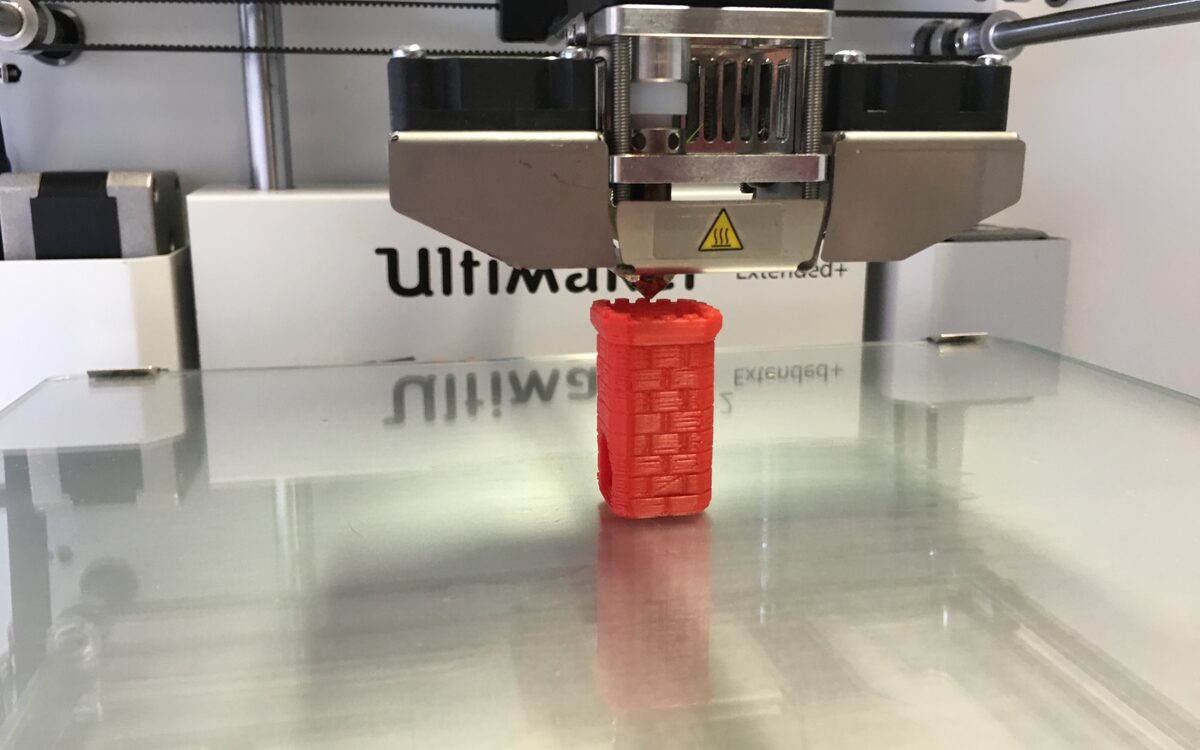
Additive Manufacturing Grows Up: When 3D Printing Actually Beats a Machine ShopAdditive Manufacturing Makin Matang: Kapan 3D Printing Mengungguli Machine Shop
Additive manufacturing (AM) builds a part layer by layer from a digital model, so geometric complexity is nearly free and no mold or tooling is needed. That inverts traditional economics: where machining or injection molding gets cheaper per unit at scale, AM stays roughly flat - which is exactly why it wins for the right jobs and loses for the wrong ones.
The market reflects a shift from novelty to production. Analysts size the AM market near USD 37-38 billion in 2026, projected to grow around 24% CAGR toward the 2030s, and end-use part production has overtaken prototyping and tooling as the leading use case. Automotive and aerospace/defense remain the largest verticals.
The honest caveat: AM is not a general-purpose factory. For high-volume, simple, commodity parts, traditional methods are still far cheaper and faster. Print quality, material properties, and post-processing all need validation - a printed part is not automatically a certified part.
How to start: target where AM's strengths pay - complex geometries, lightweighting, low-volume or custom runs, spare parts on demand, and consolidating an assembly into a single printed piece. Prove the business case (cost per part, lead time, certification path) before committing a production line.
Additive manufacturing (AM) membangun komponen lapis demi lapis dari model digital, sehingga kompleksitas geometri nyaris gratis dan tak perlu cetakan atau tooling. Itu membalik ekonomi tradisional: bila machining atau injection molding makin murah per unit pada skala besar, AM cenderung datar - persis alasan ia unggul untuk pekerjaan yang tepat dan kalah untuk yang salah.
Pasar mencerminkan pergeseran dari kebaruan ke produksi. Analis menaksir pasar AM sekitar USD 37-38 miliar pada 2026, diproyeksikan tumbuh sekitar 24% CAGR menuju 2030-an, dan produksi komponen pakai-akhir telah melampaui prototyping dan tooling sebagai kegunaan utama. Otomotif serta dirgantara/pertahanan tetap vertikal terbesar.
Catatan jujurnya: AM bukan pabrik serba-guna. Untuk komponen komoditas sederhana bervolume tinggi, metode tradisional masih jauh lebih murah dan cepat. Kualitas cetak, sifat material, dan pasca-proses semua perlu validasi - komponen cetak tidak otomatis jadi komponen tersertifikasi.
Cara memulai: bidik tempat kekuatan AM terbayar - geometri kompleks, peringanan bobot, produksi volume rendah atau kustom, suku cadang sesuai permintaan, dan menyatukan satu rakitan menjadi satu bagian cetak. Buktikan kasus bisnisnya (biaya per komponen, lead time, jalur sertifikasi) sebelum menetapkan lini produksi.
Founder & Principal EngineerPendiri & Principal Engineer
InsightsWawasan
6 min read6 mnt baca
The EU AI Act in 2026: What Actually Takes Effect, and What Slipped to 2027EU AI Act di 2026: Apa yang Benar-benar Berlaku, dan Apa yang Mundur ke 2027
The EU AI Act is the first broad, risk-based AI law, and it applies extraterritorially - if your system is used in the EU it can reach you regardless of where you build it. It sorts uses into tiers: prohibited, high-risk, limited-risk (transparency), and minimal.
The timeline matters. The Act entered into force in August 2024; bans on prohibited practices and the general-purpose AI (GPAI) obligations already apply. From August 2026, the Article 50 transparency duties take effect - for example, telling users they are interacting with an AI and labelling AI-generated or manipulated content. Under a 2026 Digital Omnibus agreement, the heaviest high-risk (Annex III) obligations were deferred from August 2026 to December 2027.
The honest caveat: deferral is not a reprieve. Transparency duties still land in 2026, GPAI rules are already live, and building compliant documentation, logging, and human oversight after the fact is far harder than designing for it now. Penalties scale into the tens of millions of euros or a percentage of global turnover.
How to start: inventory where you use AI, classify each use by tier, and begin with the 2026 transparency items (disclosure, content labelling). For anything high-risk, use the extra runway to build data governance, risk management, and human-oversight now rather than in late 2027.
EU AI Act adalah undang-undang AI berbasis-risiko pertama yang luas, dan berlaku ekstrateritorial - bila sistem Anda dipakai di UE, ia bisa menjangkau Anda di mana pun Anda membangunnya. Ia memilah kegunaan ke dalam tingkatan: terlarang, risiko-tinggi, risiko-terbatas (transparansi), dan minimal.
Lini waktunya penting. UU ini berlaku sejak Agustus 2024; larangan praktik terlarang dan kewajiban general-purpose AI (GPAI) sudah berlaku. Sejak Agustus 2026, kewajiban transparansi Pasal 50 mulai berlaku - misalnya memberi tahu pengguna bahwa mereka berinteraksi dengan AI dan melabeli konten hasil atau manipulasi AI. Berdasarkan kesepakatan Digital Omnibus 2026, kewajiban risiko-tinggi (Annex III) terberat ditunda dari Agustus 2026 ke Desember 2027.
Catatan jujurnya: penundaan bukan pembebasan. Kewajiban transparansi tetap berlaku pada 2026, aturan GPAI sudah aktif, dan membangun dokumentasi, logging, serta pengawasan manusia yang patuh secara belakangan jauh lebih sulit daripada merancangnya sekarang. Dendanya mencapai puluhan juta euro atau persentase dari omzet global.
Cara memulai: inventarisasi di mana Anda memakai AI, klasifikasikan tiap kegunaan menurut tingkatan, dan mulai dari item transparansi 2026 (pengungkapan, pelabelan konten). Untuk apa pun yang berisiko-tinggi, gunakan waktu ekstra untuk membangun tata kelola data, manajemen risiko, dan pengawasan manusia sekarang, bukan menjelang akhir 2027.
Founder & Principal EngineerPendiri & Principal Engineer
IoT & EdgeIoT & Edge
6 min read6 mnt baca
RFID for Inventory: The Jump from 65% to 98% Accuracy, and Its Fine PrintRFID untuk Inventaris: Lompatan Akurasi 65% ke 98%, dan Syarat Kecilnya
An RFID tag carries a unique ID read by radio, so a handheld or overhead reader can capture hundreds of items at once without line of sight - unlike a barcode, which must be scanned one at a time. For high-SKU categories like apparel, that turns a full stock count from hours into minutes.
The accuracy story is the draw. Studies commonly cite inventory accuracy rising from a retail average around 65% to 95-99% with item-level RFID, with counts that once took most of a shift finished in a fraction of the time. The UHF band used for this now underpins a reader-hardware market near USD 1 billion in 2026, driven mostly by inventory-accuracy use cases.
The honest caveat: physics sets limits. UHF signals are absorbed by water and reflected by metal, so tags on liquids, canned goods, or dense metal need careful placement and testing. Tag cost, reader infrastructure, and source encoding add up - RFID shines on higher-value, high-count goods, less so on cheap bulk items.
How to start: pilot on one category where miscounts hurt most (apparel, electronics), validate read rates in your actual environment before rolling out, and wire the counts into replenishment - accuracy only pays when it changes an order. Treat RFID as complementary to barcodes, not a wholesale replacement.
Tag RFID membawa ID unik yang dibaca lewat radio, sehingga pembaca genggam atau overhead bisa menangkap ratusan item sekaligus tanpa garis pandang - beda dari barcode yang harus dipindai satu per satu. Untuk kategori ber-SKU tinggi seperti apparel, itu mengubah penghitungan stok penuh dari berjam-jam menjadi hitungan menit.
Kisah akurasinya adalah daya tariknya. Studi umumnya menyebut akurasi inventaris naik dari rata-rata ritel sekitar 65% ke 95-99% dengan RFID level-item, dengan penghitungan yang dulu memakan hampir satu shift kini selesai dalam sebagian kecil waktu. Pita UHF yang dipakai untuk ini kini menopang pasar perangkat pembaca mendekati USD 1 miliar pada 2026, terutama didorong kegunaan akurasi inventaris.
Catatan jujurnya: fisika punya batas. Sinyal UHF diserap air dan dipantulkan logam, jadi tag pada cairan, kaleng, atau logam padat butuh penempatan dan pengujian cermat. Biaya tag, infrastruktur pembaca, dan encoding di sumber semua menumpuk - RFID bersinar pada barang bernilai lebih tinggi dan bervolume-hitung banyak, kurang pada barang curah murah.
Cara memulai: uji pada satu kategori yang paling terluka oleh salah-hitung (apparel, elektronik), validasi tingkat baca di lingkungan nyata Anda sebelum peluncuran, dan alirkan hasil hitung ke replenishment - akurasi baru terbayar bila mengubah sebuah pesanan. Perlakukan RFID sebagai pelengkap barcode, bukan pengganti total.
Founder & Principal EngineerPendiri & Principal Engineer
IoT & EdgeIoT & Edge
6 min read6 mnt baca
Predictive Maintenance with IoT Sensors: Read the ROI Before You Wire UpPredictive Maintenance dengan Sensor IoT: Baca ROI-nya Sebelum Memasang
Most maintenance still runs one of two ways: fix it after it breaks (reactive), or service it on a fixed calendar whether it needs attention or not (preventive). Predictive maintenance (PdM) adds a third path - IoT sensors for vibration, temperature, current, and acoustics stream an asset's condition to a model that flags the early signs of failure, so a repair can be scheduled before the breakdown rather than after.
The reported operating gains are moderate but real. Deloitte's analysis puts equipment uptime and availability up 10-20%, maintenance planning time down 20-50%, and overall maintenance costs down 5-10% where PdM is applied well. The market reflects the interest: research firms size predictive maintenance near USD 10-16 billion in 2026 with double-digit annual growth - though individual forecasts vary widely, so treat any single number as a directional estimate.
The honest caveat: PdM only pays off when a failure is gradual and detectable by the sensor you chose, and when you have a healthy baseline to compare against. Sudden, random failures and noisy data produce false alarms - and a model that cries wolf gets muted, which erases the value. It sharpens a maintenance plan; it does not replace engineering judgment.
How to start: instrument one critical, failure-prone asset rather than wiring the whole plant. Capture a baseline of "normal" across a few operating cycles, alert on meaningful deviation, and validate each prediction against what actually happened before trusting it. Then route alerts into a real work-order workflow, not just a dashboard - a warning nobody acts on is the same as no warning.
Kebanyakan pemeliharaan masih berjalan dengan dua cara: perbaiki setelah rusak (reaktif), atau servis sesuai kalender tetap entah butuh atau tidak (preventif). Predictive maintenance (PdM) menambah jalur ketiga - sensor IoT untuk getaran, suhu, arus, dan akustik mengalirkan kondisi aset ke sebuah model yang menandai gejala awal kegagalan, sehingga perbaikan bisa dijadwalkan sebelum kerusakan, bukan sesudah.
Perolehan operasionalnya moderat tapi nyata. Analisis Deloitte menaksir uptime dan ketersediaan alat naik 10-20%, waktu perencanaan pemeliharaan turun 20-50%, dan total biaya pemeliharaan turun 5-10% bila PdM diterapkan dengan baik. Pasar mencerminkan minat itu: lembaga riset menaksir nilai predictive maintenance sekitar USD 10-16 miliar pada 2026 dengan pertumbuhan tahunan dua digit - meski proyeksi tiap lembaga berbeda jauh, jadi perlakukan satu angka mana pun sebagai estimasi arah saja.
Catatan jujurnya: PdM baru menguntungkan bila kegagalannya bertahap dan terdeteksi oleh sensor yang Anda pilih, dan bila ada baseline sehat sebagai pembanding. Kegagalan mendadak yang acak serta data berisik menghasilkan alarm palsu - dan model yang terlalu sering "berteriak serigala" akan diabaikan, sehingga nilainya hilang. Ia mempertajam rencana pemeliharaan, bukan menggantikan pertimbangan teknik.
Cara memulai: pasang sensor pada satu aset kritis yang rawan gagal, bukan seluruh pabrik. Rekam baseline "normal" selama beberapa siklus operasi, beri peringatan saat ada penyimpangan berarti, dan validasi tiap prediksi terhadap kejadian nyata sebelum memercayainya. Lalu alirkan peringatan ke alur work-order nyata, bukan sekadar dashboard - peringatan yang tak ditindaklanjuti sama saja dengan tanpa peringatan.
Founder & Principal EngineerPendiri & Principal Engineer
AI & TechAI & Teknologi
6 min read6 mnt baca
Small Language Models: When 90% of the Capability at 10% of the Cost Is the Right TradeSmall Language Model: Saat 90% Kemampuan dengan 10% Biaya Adalah Pilihan yang Tepat
The reflex for anything AI is still "call the biggest cloud model." But for a large share of real enterprise work - classifying a support ticket into 200+ categories, pulling clauses from a contract, reading transaction logs - a small language model (SLM) is the more sensible fit.
The reported economics are hard to ignore. Analyses put SLMs at roughly 90% of large-model capability for about 10% of the cost, and in agentic workflows an estimated 80-90% of the steps can stay local on a 3-9B model. On NPU hardware these can respond in under 100ms. Gartner's 2025 AI infrastructure data reports enterprise spending on local model execution up 40% year over year.
Why it matters beyond price: data residency and latency. A model that runs on your own machine keeps sensitive records in-house and answers without a round-trip. The SLM market itself is projected to grow from about USD 7.8 billion (2023) toward USD 20.7 billion by 2030 (~15.1% CAGR).
Practical rule: reserve a frontier model for genuinely hard reasoning, and route the high-volume, well-defined steps to a task-specific SLM. Measure quality on your own data before assuming bigger is better.
Refleks untuk apa pun soal AI masih "panggil model cloud terbesar". Padahal untuk sebagian besar pekerjaan enterprise nyata - mengklasifikasi tiket dukungan ke 200+ kategori, menarik klausul kontrak, membaca log transaksi - small language model (SLM) justru lebih pas.
Ekonominya sulit diabaikan. Berbagai analisis menaksir SLM memberi sekitar 90% kemampuan model besar dengan ~10% biaya, dan dalam alur agentik diperkirakan 80-90% langkah bisa berjalan lokal di model 3-9B. Di perangkat NPU, responsnya bisa di bawah 100ms. Data infrastruktur AI Gartner 2025 melaporkan belanja eksekusi model lokal naik 40% dari tahun sebelumnya.
Yang penting di luar harga: residensi data dan latensi. Model yang berjalan di mesin sendiri menjaga data sensitif tetap di dalam dan menjawab tanpa round-trip. Pasar SLM sendiri diproyeksikan tumbuh dari sekitar USD 7,8 miliar (2023) menuju USD 20,7 miliar pada 2030 (~15,1% CAGR).
Aturan praktis: sisakan model frontier untuk penalaran yang benar-benar sulit, dan arahkan langkah bervolume tinggi yang terdefinisi jelas ke SLM spesifik-tugas. Ukur kualitas pada data Anda sendiri sebelum menganggap yang lebih besar pasti lebih baik.
Founder & Principal EngineerPendiri & Principal Engineer
InsightsWawasan
6 min read6 mnt baca
Computer Vision for Workplace Safety: What the Compliance Numbers ShowComputer Vision untuk Keselamatan Kerja: Apa Kata Angka Kepatuhannya
Cameras already watch most industrial sites; the change is that models can now read those feeds for safety in real time. Peer-reviewed work reports 92%+ mean average precision on PPE and proximity-hazard detection, and some commercial platforms report accuracy above 95%.
The operational case is what drives budgets. OSHA-cited studies find effective safety programs return USD 4-6 for every USD 1 invested. Vision deployments have reported 30-60% fewer recordable incidents in the first year, and one retailer reported an 80% drop in incidents after adding AI video analytics. The PPE-detection market is projected to grow from USD 70.6 billion (2024) to USD 112.9 billion by 2030.
Where to start: pick one clear, high-value rule - hard-hat or safety-vest compliance in a defined zone - rather than boiling the ocean. Run inference on-site so worker footage never leaves the building, and treat alerts as coaching, not surveillance.
Reported results tend to arrive fast (some sites cite a 62% violation reduction in 30 days), but sustained value comes from wiring detections into an actual response workflow, not just a dashboard.
Kamera sudah mengawasi sebagian besar lokasi industri; yang berubah adalah model kini bisa membaca umpan itu untuk keselamatan secara real time. Riset terpublikasi melaporkan mean average precision 92%+ pada deteksi APD dan bahaya jarak, dan beberapa platform komersial melaporkan akurasi di atas 95%.
Yang mendorong anggaran adalah sisi operasional. Studi yang dikutip OSHA menemukan program keselamatan yang efektif mengembalikan USD 4-6 untuk setiap USD 1. Penerapan vision melaporkan insiden tercatat turun 30-60% pada tahun pertama, dan satu peritel melaporkan insiden turun 80% setelah menambah analitik video AI. Pasar deteksi APD diproyeksikan tumbuh dari USD 70,6 miliar (2024) ke USD 112,9 miliar pada 2030.
Mulai dari mana: pilih satu aturan jelas bernilai tinggi - kepatuhan helm atau rompi di zona tertentu - alih-alih mencakup semuanya. Jalankan inferensi di lokasi agar rekaman pekerja tak keluar gedung, dan perlakukan peringatan sebagai pembinaan, bukan pengawasan.
Hasil yang dilaporkan cenderung datang cepat (beberapa lokasi menyebut pelanggaran turun 62% dalam 30 hari), tetapi nilai berkelanjutan datang dari menghubungkan deteksi ke alur respons nyata, bukan sekadar dashboard.
Founder & Principal EngineerPendiri & Principal Engineer
Software DevSoftware Dev
7 min read7 mnt baca
Digital Twins in Manufacturing: A Practical Read on the 2026 NumbersDigital Twin di Manufaktur: Membaca Angka 2026 secara Praktis
A digital twin is a software model of a physical asset kept in sync with live sensor data, so you can simulate and predict instead of just react. Adoption is moving from pilots to production: reports say over 40% of manufacturers are piloting or deploying twins, higher in aerospace, automotive, and energy.
The reported outcomes are the draw. Companies using twins cite ~65% reductions in unplanned downtime, 25-55% lower maintenance costs, and faster decision cycles, with ~92% reporting ROI above 10% and payback commonly in 12-36 months (sometimes 3-6). NIST has estimated adoption could yield USD 37.9 billion in annual U.S. manufacturing benefits. The market is projected near USD 49.5 billion in 2026, growing ~31% CAGR toward 2033.
The catch worth naming: a twin is only as good as the data feeding it. Without clean asset models and reliable telemetry, you get a convincing picture that quietly drifts from reality.
How to start small: twin one critical, failure-prone machine, validate its predictions against what actually happens for a few cycles, then widen scope once the model has earned trust.
Digital twin adalah model perangkat lunak dari aset fisik yang dijaga sinkron dengan data sensor langsung, sehingga Anda bisa menyimulasikan dan memprediksi, bukan sekadar bereaksi. Adopsinya bergerak dari pilot ke produksi: laporan menyebut lebih dari 40% produsen sedang piloting atau men-deploy twin, lebih tinggi di dirgantara, otomotif, dan energi.
Yang menarik adalah hasil yang dilaporkan. Perusahaan pemakai twin menyebut downtime tak terduga turun ~65%, biaya pemeliharaan turun 25-55%, dan siklus keputusan lebih cepat, dengan ~92% melaporkan ROI di atas 10% dan payback umumnya 12-36 bulan (kadang 3-6). NIST memperkirakan adopsinya bisa menghasilkan USD 37,9 miliar manfaat manufaktur AS per tahun. Pasarnya diproyeksikan mendekati USD 49,5 miliar pada 2026, tumbuh ~31% CAGR menuju 2033.
Yang perlu disebut jujur: twin hanya sebaik data yang memberinya makan. Tanpa model aset yang bersih dan telemetri andal, Anda mendapat gambaran meyakinkan yang diam-diam melenceng dari kenyataan.
Cara memulai kecil: twin-kan satu mesin kritis yang rawan gagal, validasi prediksinya terhadap kejadian nyata selama beberapa siklus, lalu perluas cakupan setelah model terbukti layak dipercaya.
Founder & Principal EngineerPendiri & Principal Engineer
HardwareHardware
6 min read6 mnt baca
Cobots for Smaller Factories: Why the Payback Math Now WorksCobot untuk Pabrik Kecil: Mengapa Hitungan Paybacknya Kini Masuk Akal
Collaborative robots (cobots) are built to work next to people rather than behind a safety cage, which lowers the integration cost that used to keep automation out of smaller operations. Reports now put around 48% of industrial SMEs adopting cobots, often to cover workforce gaps.
The economics are the story. The cobot market is projected to grow from about USD 2.8 billion (2026) to USD 10.9 billion by 2033 (~21.4% CAGR). Reported payback is commonly 12-24 months, and for simple high-labour tasks as short as ~6 months - one major vendor documents an average of roughly 195 days across SME deployments. Asia-Pacific leads installs with around 42% share.
Where cobots fit best: repetitive, ergonomically hard, or hard-to-staff tasks - machine tending, pick-and-place, palletising, inspection handling. They augment a line rather than replace it wholesale.
Before buying: time the target task, cost the current labour and error rate, and confirm the safety assessment for shared workspace. The payback case should be concrete on paper before a robot arrives.
Robot kolaboratif (cobot) dirancang bekerja di samping manusia, bukan di balik pagar pengaman, sehingga menekan biaya integrasi yang dulu menjauhkan otomasi dari operasi kecil. Laporan kini menyebut sekitar 48% UKM industri mengadopsi cobot, sering untuk menutup kekurangan tenaga kerja.
Ekonominya adalah intinya. Pasar cobot diproyeksikan tumbuh dari sekitar USD 2,8 miliar (2026) ke USD 10,9 miliar pada 2033 (~21,4% CAGR). Payback yang dilaporkan umumnya 12-24 bulan, dan untuk tugas padat-tenaga sederhana sesingkat ~6 bulan - satu vendor besar mencatat rata-rata sekitar 195 hari di penerapan UKM. Asia-Pasifik memimpin instalasi dengan sekitar 42% pangsa.
Di mana cobot paling pas: tugas repetitif, berat secara ergonomis, atau sulit diisi tenaga - machine tending, pick-and-place, palletising, penanganan inspeksi. Ia melengkapi lini, bukan menggantikannya sekaligus.
Sebelum membeli: ukur waktu tugas sasaran, hitung biaya tenaga dan tingkat kesalahan saat ini, dan pastikan asesmen keselamatan untuk ruang kerja bersama. Kasus payback harus konkret di atas kertas sebelum robot datang.
Founder & Principal EngineerPendiri & Principal Engineer
Software DevSoftware Dev
7 min read7 mnt baca
Agentic Coding, Measured: Adoption Is High, Returns Are UnevenAgentic Coding, Diukur: Adopsi Tinggi, Hasil Tak Merata
AI in development has moved from autocomplete to agents that plan work, read a repository, run tests, and recover from failures. Adoption is broad - reports say 84% of developers use or plan to use AI tools, 51% daily, and 86% of organizations are deploying AI coding agents for production.
But the returns are not automatic. Reported average time saved is about 3.6 hours per developer per week, with McKinsey citing routine coding time cut by 46%. The counter-point is worth keeping honest: a METR randomized trial found experienced developers were ~19% slower with AI on complex, familiar code - while feeling ~20% faster. Perceived speed is not throughput.
What separates the teams that win: they invest in evaluation harnesses, observability, security boundaries, and human-in-the-loop approval where it matters. Reported healthy ROI lands around 2.5-3.5x, higher for the top quartile.
Practical split: let agents own well-scoped, verifiable work - migrations, tests, boilerplate, first-pass review - and keep humans on architecture and judgment. Then measure real cycle time rather than trusting the feeling of speed.
AI dalam pengembangan berpindah dari autocomplete ke agen yang merencanakan pekerjaan, membaca repositori, menjalankan tes, dan pulih dari kegagalan. Adopsinya luas - laporan menyebut 84% developer memakai atau berencana memakai alat AI, 51% harian, dan 86% organisasi men-deploy agen coding AI untuk produksi.
Namun hasilnya tak otomatis. Rata-rata waktu hemat yang dilaporkan sekitar 3,6 jam per developer per minggu, dengan McKinsey menyebut waktu coding rutin turun 46%. Sanggahannya perlu dijaga jujur: uji acak METR menemukan developer berpengalaman ~19% lebih lambat dengan AI pada kode kompleks yang sudah dikuasai - meski merasa ~20% lebih cepat. Kecepatan yang dirasa bukan throughput.
Pembeda tim yang menang: mereka berinvestasi pada harness evaluasi, observability, batas keamanan, dan persetujuan human-in-the-loop di titik krusial. ROI sehat yang dilaporkan berkisar 2,5-3,5x, lebih tinggi untuk kuartil teratas.
Pembagian praktis: biarkan agen menangani pekerjaan terverifikasi dan tercakup jelas - migrasi, tes, boilerplate, review awal - dan tempatkan manusia pada arsitektur serta pertimbangan. Lalu ukur cycle time nyata alih-alih memercayai rasa cepat.
Founder & Principal EngineerPendiri & Principal Engineer
Game DevGame Dev
6 min read6 mnt baca
AI in Game Development: Smaller Teams, Higher ExpectationsAI dalam Pengembangan Game: Tim Lebih Kecil, Ekspektasi Lebih Tinggi
AI has become a routine part of the game pipeline rather than a novelty. Reports say around 78% of AAA studios use AI tools in production, and the major engines have built assistance in: Unreal leads engine adoption at ~42%, Unity at ~30%, with Unity's Muse reported to have generated over a million assets in its first quarter.
For small teams, procedural content generation plus tooling like Nanite means a believable open world no longer needs a large environment team, and Godot has become a common pick for indies wanting a free, lightweight engine.
The honest framing is democratization with a catch: a 3-5 person studio can aim at scope that used to need a big team, but player expectations rise in lockstep - so design taste and polish matter more, not less.
Practical use: let AI remove the grind (variations, greyboxing, first-pass assets, test coverage) and spend the reclaimed hours on the ~10% players actually feel - game feel, pacing, and originality. AI widens the funnel; it does not supply the fun.
AI menjadi bagian rutin pipeline game, bukan sekadar kebaruan. Laporan menyebut sekitar 78% studio AAA memakai alat AI dalam produksi, dan engine besar menanamkan bantuan: Unreal memimpin adopsi ~42%, Unity ~30%, dengan Muse dari Unity dilaporkan menghasilkan lebih dari satu juta aset pada kuartal pertamanya.
Bagi tim kecil, procedural content generation plus perkakas seperti Nanite membuat dunia terbuka yang meyakinkan tak lagi butuh tim environment besar, dan Godot menjadi pilihan umum indie yang mencari engine gratis dan ringan.
Bingkai jujurnya adalah demokratisasi dengan syarat: studio 3-5 orang bisa membidik cakupan yang dulu butuh tim besar, tetapi ekspektasi pemain ikut naik - sehingga selera desain dan poles makin penting, bukan berkurang.
Pemakaian praktis: biarkan AI menghapus pekerjaan repetitif (variasi, greyboxing, aset awal, cakupan tes) dan gunakan jam yang dihemat untuk ~10% yang benar-benar dirasakan pemain - game feel, pacing, dan orisinalitas. AI melebarkan corong; ia tidak menyediakan keseruan.

 AI & Tech